The International Airport Custom Clearance Procedure: A Complete Guide For Travelers
One of the necessary things in coming and going to countries is the procedure for international airport custom clearance. A traveler going abroad undergoes such checks by customs officers to make sure that travelers comply with the country’s customs import procedures. After collecting your bags, proceed to Customs. Every country has different procedures, however most international airports use common and similar procedures that involve customs declaration, custom inspection, customs duties evaluation, and customs clearance. Procedure for Clearance of Imported and Export Goods
Once travelers have arrived, passed immigrations and claims their baggage, typically proceeds to the customs. It would typically require submission of customs declaration, usually in electronic devices or in papers, depending on your final destination. A lot of customs now use the electronic customs process to have swift clearance; customs officers can, however, still inspect your baggage at times.
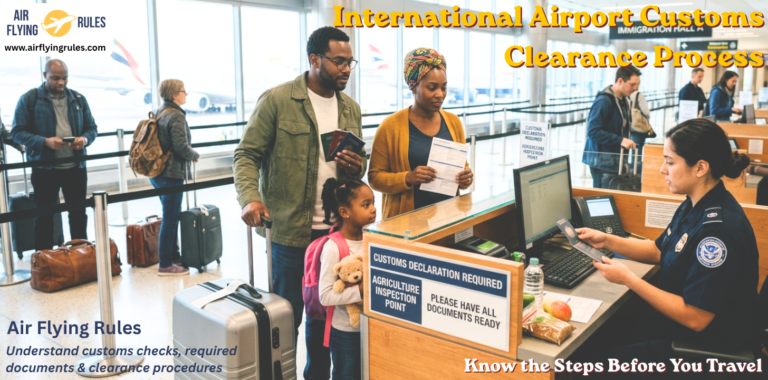
A Brief Guide on International Airport Custom Clearance:
- Retrieve your checked baggage after passing through the immigration and emigration process.
2. Fill up the relevant custom declaration form truthfully.
3. Declare items over your permitted duty-free entitlement or those which need further approval for importation.
4. Enter a relevant custom channel if it exists.
5. Carry your baggage and document to present if selected for examination.
6. Settle any applicable customs duty/tax.
7. Receive custom clearance and exit from the secured area of the airport.
Fill out the customs declaration
The second major task is the customs declaration which specifies the items required to be declared according to customs regulations. Customs and immigration clearances are important in some airlines. The questions most commonly ask about cash, commercial items, plants and animals, food, alcohol and tobacco, medicine and anything else to be prohibited or subject to tax (the type varies between countries). Never declare falsified or omitted items to save time as this will lead to penalty or confiscation.
Proceed Through the Correct Customs Channel
Some international airports operate a green and red channel system. The green channel is generally intended for travelers who have nothing requiring declaration, while passengers carrying dutiable, prohibited, or restricted goods should use the appropriate declaration channel.
Customs and baggage controls
In customs, a member of the staff will check your suitcase (in order to compare the contents of the one you declared). A customs control can happen randomly or if the items that are among your baggage correspond to an article on the customs document, following what the scanning has detected, or after the content the staff detect with the data of your customs document. So as to be authorized to get your belongings, keep it with you your bills, permissions or your prescriptions if necessary.
Payment of Customs Duties and Taxes
If your belongings exceed the applicable duty-free allowance or are taxable, customs authorities may calculate duties and taxes. You may need to pay the assessed amount before your goods are released. For example, some airport customs authorities specifically require payment followed by presentation of the official receipt before clearance is completed.
Regulated & Prohibited Articles
Each country has its own list of regulated and prohibited goods. Those are common like agriculture goods, animal products, arms, drugs, endangered species products and some control substances. For some countries you may need a permit to have regulated articles into the country.
Steps to Hassle-Free Customs Clearance
You can look up the country-specific customs regulations of your country of destination before traveling abroad, carry your receipts of costly items and put them in a distinct pile for declaration. You may not be too sure on whether this or that item should be declared, in which case, it is best to ask a customs officer rather than taking chances.
Frequently Asked Questions
- International airport custom clearance procedures What is it?
This is a procedure by which customs officials control travelers, cargo, belongings and imported goods. They ensure normal clearance of passengers and baggage. Customs clearance procedure is possibly inclusive of customs declarations, inspections, valuation, collection of customs duty, payment of the duty and clearance of goods.
2. Do I have to declare everything at customs?
Not necessarily. Declaration requirements depend on the destination country’s laws and applicable allowances. Items exceeding limits or subject to restrictions generally need to be declared.
- Is there an inspection of my luggage?
Yes, your bags may be inspected by customs officers to check your declarations and for prohibited articles being imported. Electronic declarations may also lead to bag inspection.
5. What documents should I keep for customs clearance?
Depending on your destination and goods, useful documents may include your passport, customs declaration, purchase receipts, permits, licenses, prescriptions, and supporting documents for restricted or taxable items.
airflyingrules.com is proudly powered by WordPress