Author: crisroy2003@gmail.com

  • Infants And Baby Baggage Policy In Airlines 2026

    Infants And Baby Baggage Policy In Airlines 2026

    Traveling with a baby can be a wonderful experience, but it also requires proper planning. One of the most important things parents should know is the infant and baby baggage policy of airlines. Every airline has different rules about baggage allowance, strollers, car seats, and baby food. Understanding these policies before your trip can help you avoid extra charges and make your journey smooth and stress-free. 
    Infants And Baby Baggage Policy In Airlines

    Who Is Considered an Infant in Airlines?

    Most airlines define an infant as: 

    • A baby under 2 years of age
    • The infant usually travels on the lap of a parent or guardian. 
    • A separate seat is not required unless parents choose to buy one. 
    • Some airlines offer bassinets for long international flights, depending on availability. 

    Children who are 2 years or older generally need their own seat and follow different baggage rules. 

    Infant Baggage Allowance

    Many airlines provide a baggage allowance for infants, although the amount may differ depending on the airline and ticket type. 

    Cabin Baggage 

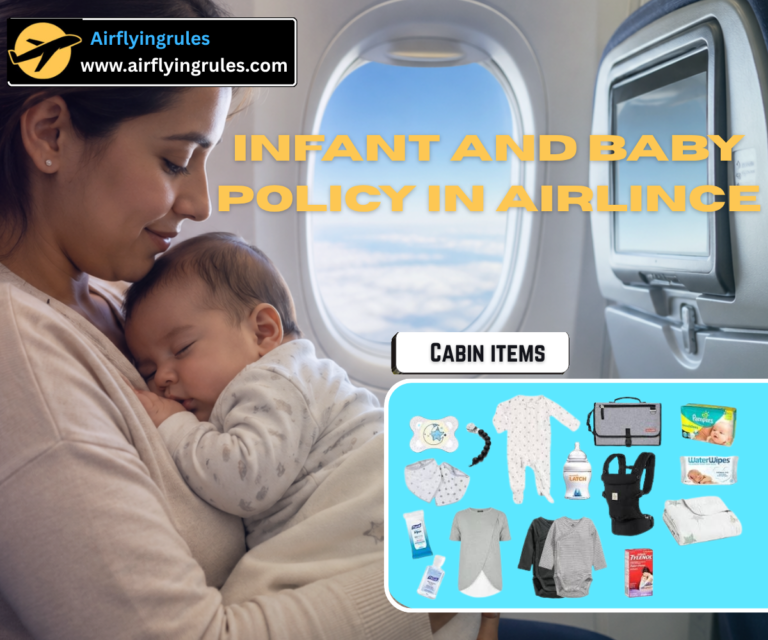
    Parents are usually allowed to carry essential baby items in the cabin. 

    These may include: 

    • Baby diapers 
    • Baby wipes 
    • Feeding bottles 
    • Baby formula 
    • Extra baby clothes 
    • Small blanket 
    • Medicines required during the flight 

    Some airlines also allow a small diaper bag in addition to the parent’s cabin baggage

    Checked Baggage

    Depending on the airline, infants may receive: 

    • A checked baggage allowance of around 10 kg to 23 kg. 
    • One checked bag for baby essentials. 
    • Additional baggage on international flights under certain fare types. 

    Always check the baggage limit before packing because it varies between airlines.

    Stroller and Pram Policy

    Most airlines allow parents to travel with a stroller or pram. 

    Common rules include: 

    • One stroller per infant is usually allowed free of charge. 
    • Lightweight strollers can often be used until the boarding gate. 
    • The stroller is collected at the gate before boarding. 
    • You can pick it up either right at the aircraft door or at the baggage claim area once you land.

    Some airlines will allow you to bring foldable travel strollers into the cabin, as long as they fit within the size guidelines.

    Car Seat Policy

    Car seats provide extra safety for babies during flights. 

    Many airlines allow: 

    • FAA or airline-approved child safety seats. 
    • Car seats to be used only if the child has a separate booked seat.
    • Checking the car seat free of charge if it is not used onboard. 

    Before your flight, confirm whether your car seat meets the airline’s safety standards.

    Baby Food and Milk Rules

    Parents can usually carry baby food even if it exceeds the normal liquid limit. Items generally allowed include: 

    • Baby formula 
    • Breast milk 
    • Baby food jars 
    • Sterilized water for feeding 
    • Juice for infants when necessary 

    Airport security may inspect these items separately, so keep them easily accessible.

    Bassinet Facility on Flights

    Long-haul international flights often provide bassinets for infants. Important points include: 

    • Available only on selected aircraft. 
    • Must be reserved in advance. 
    • Weight and height limits apply. 
    • Limited numbers are available, so early booking is recommended. A bassinet allows the baby to sleep comfortably during the journey. 

    Important Documents for Infant Travel

    Before traveling, make sure you carry all necessary documents. These may include:

    • Infant passport for international travel 
    • Birth certificate, if required 
    • Visa for applicable destinations 
    • Flight ticket 
    • Carry Medical documents if in case of baby special health needs 

    Always verify the document requirements for your destination before your trip.

    Remember These Common Restrictions

    While airlines are generally supportive of families traveling with infants, some restrictions may apply. 

    Keep these points in mind: 

    • Baggage allowance differs by ticket type and airline. 
    • Oversized strollers may need to be checked. 
    • Cabin baggage must meet airline size and weight limits. 
    • Bassinets cannot be guaranteed without advance reservation. 
    • Dangerous items are not allowed in baby baggage. 
    • Extra baggage may involve additional fees. 

    Reading your airline’s baggage policy before departure can help you avoid last-minute hassle. 

    Planning to fly with your little one? Check your airline’s baggage allowance, stroller policy, and baby travel guidelines before you pack for a stress-free journey. 
  • Allowed and Prohibited Items in Flight 2026

    Allowed and Prohibited Items in Flight 2026: A Simple Guide for Safe Air Travel

    Packing correctly before your trip helps you avoid delays, list of Prohibited items in Cabin baggage, extra screening, and unnecessary stress at the airport. Understanding allowed and prohibited items in flight is important because airline and airport security rules are designed to keep every passenger safe. While regulations may vary slightly by country and airline, most follow similar international aviation security standards. Before you travel, always check your airline’s baggage policy and the airport security guidelines to ensure your belongings comply with the latest rules. 

    Allowed and Prohibited Items in Flight

    Items that travelers can and cannot bring in carry-on and checked baggage.

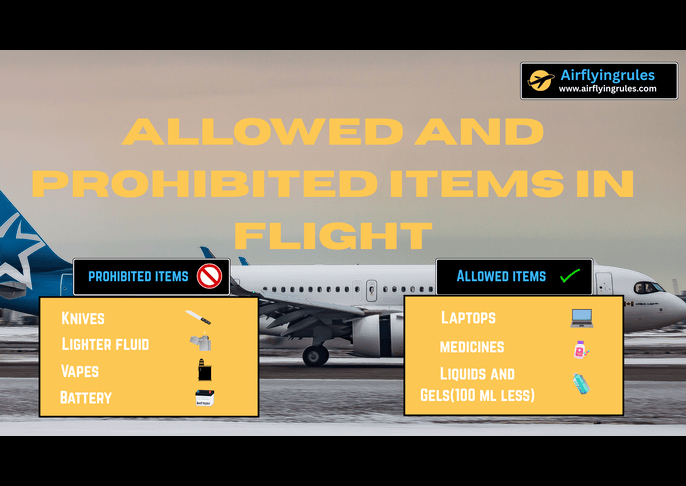
    •  Travel documents, passport, and boarding pass
    •  Mobile phones, laptops, tablets, and chargers
    •  Medicines and essential medical equipment
    •  Baby food and infant supplies (subject to security screening)
    •  Clothing, books, and personal care products within permitted limits
    •  Liquids in containers of 100 ml or less when carried in cabin baggage
    •  Sharp objects such as knives, scissors with long blades, and box cutters
    •  Explosives, fireworks, flammable liquids, and fuel
    •  Self-defense weapons or items restricted by aviation authorities
    •  Toxic chemicals, corrosive substances, and hazardous materials
    •  Large containers of liquids, gels, or aerosols exceeding cabin limits

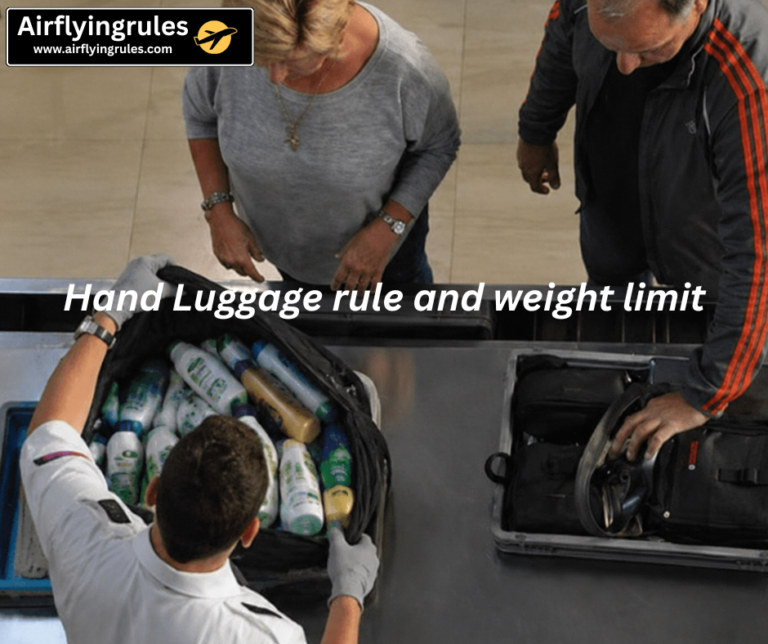
    Knowing what you can bring Electronics, medications and personal essentials are allowed  in your carry-on bag versus checked baggage is equally important. Valuable items, important documents, and prescription medications should always be packed in your carry-on bag to reduce the risk of loss or damage. Firearms, explosives, hazardous materials, and undeclared high-value goods can be prohibited in flights, even Liquid restrictions remain one of the most common reasons travelers experience delays during airport security screening. Most airports require liquids, gels, and aerosols carried in hand luggage to be in containers of no more than 100 ml each and placed inside a transparent, resealable plastic bag. Prohibited in Checked and Cabin baggage: Compressed gases 

    Larger liquid containers should be packed in checked baggage unless they qualify for specific medical or infant care exemptions. Checking these rules before your trip can save valuable time at security checkpoints.

    Strong smelling perishable items are prohibited on some aircraft . Packaged snacks, sandwiches, and dry food are generally allowed in cabin baggage, while certain fresh fruits, meats, dairy products, and agricultural items may face restrictions depending on your destination country’s customs regulations. International travelers should always verify import restrictions before carrying food across borders to avoid confiscation or penalties upon arrival.

    Every airline may have slightly different baggage policies objects such as knives, scissors, blades, nail clippers, and razors can be restricted.  In addition to government security regulations. Before leaving for the airport, review your airline’s latest baggage rules, weight limits, and prohibited item list. Taking a few minutes to verify the allowed and prohibited items in flight can help you pass security smoothly, avoid unexpected delays, and enjoy a safer, more comfortable travel experience from departure to arrival.

    What are the most common prohibited items in flight?

    Items such as explosives, fireworks, flammable liquids, sharp weapons, toxic chemicals, and large liquid containers in carry-on baggage are generally prohibited on flights. Always check your airline’s baggage policy before traveling.

  • Extra Baggage Charges per KG 2026

    Understand Extra Baggage Charges per KG 2026 for a Stress-Free Trip

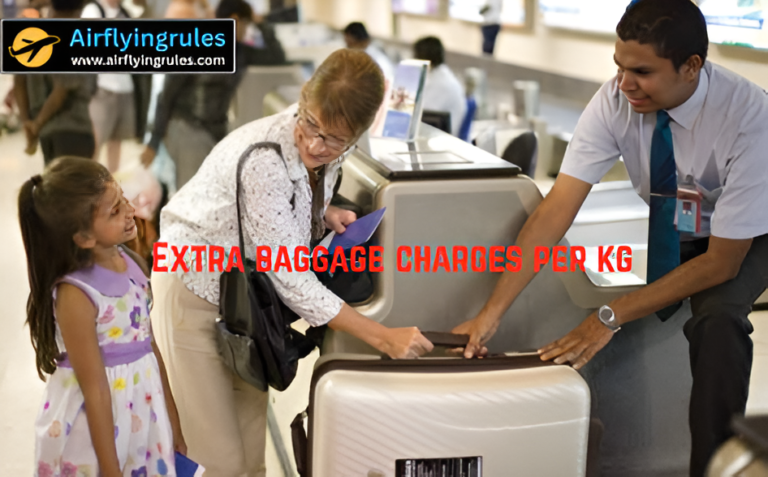
    Are you concerned about the excess Baggage Charges per kg when planning to travel with an excess of weight? Taking cognizance of these Extra Baggage Charges per KG before embarking on your air travel will definitely come in handy and keep surprise costs at bay. As some airlines charge some dollar per kg for excess baggage, rules and fees are unique to every airline, trip duration, distance, destination & class, know about these costs prior to your flying expedition, to make the travelling experience less cumbersome for you while keeping it affordable as well.

    Extra Baggage Charges per KG

    What are Extra Baggage Charges per KG?

    The Extra baggage allowance per current excess baggage charges per KG are those fees that airline carriers levied upon the passengers when their allowance for checked-in luggage surpasses their designated free baggage allowance limit. Some of the airlines may even opt not to levy an excess baggage rate around 10$ per kilogram per traveler but allow them the option to have the extra kg(s) added at the per kg rates charged by the specific airline and depending upon whether you’re travelling international or domestic.

    How are Extra Baggage Charges computed?

    Airlines generally compute a large, rectangular container with a handle, for carrying clothes and possessions SUITCASE per KG on different basis depending on various parameters including but not limited to – How much does extra baggage cost per kg for international flights

    * The baggage policy defined by the airline. 

    * The destination – international or domestic. 

    * Class of ticket –economy, first, business, or premium economy.

    * Amount of weight over the free allowance. 

    * Online purchase or the rate at the airport.

    how to buy extra suitcase allowance in all airlines, buying an additional baggage online ahead of departure will always turn out to be more beneficial price-wise.

    Baggage Charges computed

    Tips for Cutting Down on Extra Baggage Charges per KG:

    1. Verify Baggage Allowance beforepacking:Before you finalize what to pack, be thorough with your airline’s allowance limit, be it for Checked-in or Hand-carry. What if my luggage is 2 kg overweight?
    2. Weigh large baggage at Home: Invest in a luggage scale and weigh your baggage at home, before proceeding to the airport. Weighing your baggage beforehand at home will significantly help in avoiding excess weight charges.
    3. excess baggage Charges Online:Purchase additional Excess Baggage Charges online in advance of your flight to be assured of cheaper rates.

    Can You Book Extra Baggage Online?

    Of course, you can. All or most of the airlines across the world allow travellers to purchase additional strongest equipment gear luggage online via their official website and their mobile app in advance. This service generally comes at reduced rates compared to buying luggage at the airport. The advantage of booking additional baggage online not only comes in cheaper rates but also allows travelers to get a better understanding of their remaining baggage allowance for the trip as well as saves their time during the check-in process.


  • Flight Seat Selection Guide 2026

    Flight Seat Selection Guide 2026: How to Choose the Best Seat for a Comfortable Journey

    Selecting the best seat, you should be aware of the Flight seat selection guide 2026. Your flight is one of the easiest ways to ensure a comfortable journey. Seats in airplanes today can be selected for particular flights, making it easier for business travelers, leisure ones, and those taking international trips to guarantee a good experience. The Flight Seat Selection Guide below will demonstrate how to Choose a window seat, aisle seat or a seat with extra leg room  the right seat and provide some general travel tips to ensure that you have a great journey.

    Flight Seat Selection Guide 2026

    A Quick Picking Seat Guidance 2026

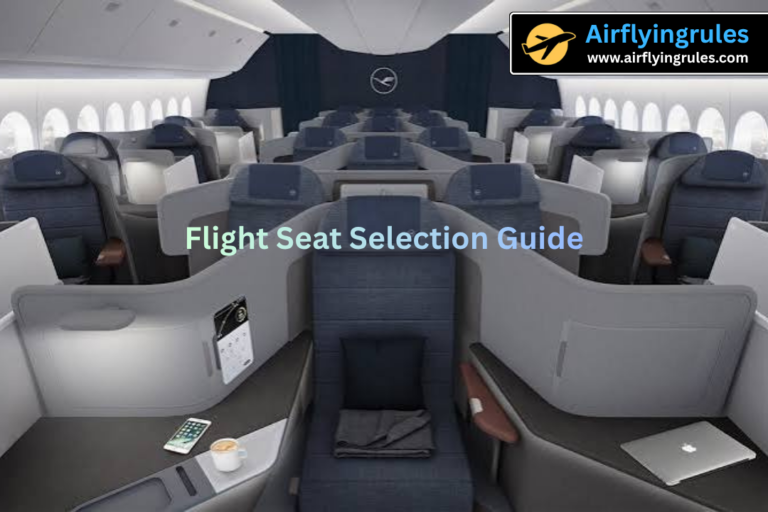
    You can choose your seat for free from 24 hours before departure .Detailed aircraft seat maps for every major airline, when you have a family or you are older, it can be helpful to choose a seat that has more legroom. Seats near windows are perfect for those who like a view and tend to sleep more on planes. The ones in the aisle are best for people who often need to get seats at the front of the aircraft, are generally the quietest or do not like noise. In the middle, there is usually less space between the seats, which is why they are not the best option. Those willing to have more comfort can consider extra-legroom seats and premium cabins if they are available for an additional price. A quick guide to picking the best seat It is essential to research the layout of the airplane seat before buying tickets because some airlines show the map with all the lavatories, emergency exits, and galleys. Another crucial tip is to check if your airline company allows their frequent flyers to choose their seats for free, as many of them provide such services. Furthermore, if time allows, it is better to book tickets earlier to secure your desired seat as it may become unavailable in a short amount of time.The best seats are the front row seats. 

    Quick Picking Seat Guidance

    Tips for Choosing the Best Seat for Your Flight

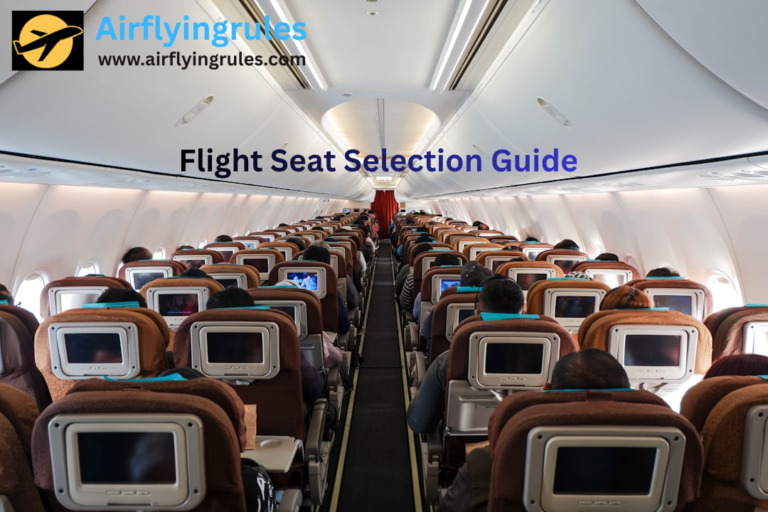
    All of the above-written advice is not connected with any specific travel class, and the best seat can be identified only after analyzing several factors. First of all, there is nothing wrong with sleeping on a plane – on the contrary, it should be encouraged when possible. How is the seating arrangement in all flights?  Majorly all flights primarily feature a standard 3-3 economy layout, though select aircraft offer an upgraded 2-2 “IndiGoStretch” configuration, extra legroom (XL) exit rows, and a 2-seat booking option  Families with children will also have to spend more time analyzing the seat plan because they must stay together when possible. 2026 seat choosing options now are updated in each and every airlines.

  • liquid limit rule in cabin baggage guidelines 2026

    Liquid Limit Rule in Cabin Luggage: A Simple Guide for Safe Air Travel

    Here are some of the accepted liquid items, understanding the liquid limit rule in cabin luggage allowed in your cabin luggage. Drinking water that is bought inside the airport after the security check. Liquid medicines—in case of these items, you need to be prepared with a prescription for them. If they are prescribed medically for you, it would be okay to take them with you in the cabin baggage. Baby. Baby food, if you have an infant traveling along with you. Personal toiletries, which are in form such as creams, gels, perfume, lotions, hairspray, toothpaste, and shampoo. Also contact lens solutions come under this category. Baby food, baby milk (for an infant traveling with you). Liquids in cosmetic products like perfumes, creams, gels, toothpaste, shampoo & solutions for contact lenses.

    Liquid Limit Rule in Cabin Luggage

    Yes, as long as you comply with your airport’s specific regulations. you can carry liquids in containers not more than 100 ml in volume Multiple 100 ml containers can be included if they fit together within the approved plastic bag. For that, face wash, hand sanitizer, body lotion, toothpaste, etc., are all permitted to be carried if individual liquid items fall within the limit. As much as possible, the same airport security regulations are implemented with respect to carrying liquid items into handbags. Any LAs—aerosol or gel containers—should be consolidated into one transparent, resealable plastic bag, allowing swift examination. The primary rule is that you can carry an item only if the container is not more than 100 ml in volume. The bottle… It doesn’t matter whether the container volume in the 100 ml container is higher than the mark or not; it might be restricted. 

    This includes water, shampoo, perfume, toothpaste, lotion, gel etc. To minimize the amount of liquids in your cabin bag, avoid carrying liquids, aerosols, or gels over 100 ml in your cabin baggage. Restrict yourself to things required by you during the flight. All liquid toiletries are available as travel-sized sets that satisfy the airport security regulations or can be purchased at the destination if you need them.  Liquid limit rule in cabin luggage: According to aviation security guidelines, LAGs or any other liquid form could be carried only in 100 ml-sized containers. LAGs—liquid, aerosol, or gel—the containers of which should be placed together. Put it into a single transparent re-sealable plastic bag, making quick examination easy for the airport security officers. Another essential thing to know is to avoid carrying liquids, aerosols, or gels over 100 ml into cabin baggage. Larger versions of these liquids should be carried to the checked-in baggage if permitted by your airline. A single careful precaution will save your time. Make things convenient. The liquid limit rule for cabin luggage internationally is practiced by many nations, including the USA, UK, Canada, and Australia, as well as most of the European airports, while a few are upgrading to advanced screening systems that might pose different kinds of constraints; however, the 100 ml capacity rule holds strong in most of the airports. Always check the baggage allowances of your airliners and the departure airport while heading for a flight.

    Can I take 100 ml of liquids onto a flight?

    Can I take 100 ml of liquids onto a flight?

    Yes, the liquid limit rule in cabin luggage internationally: you can pack 100 ml containers provided that they all fit within the required transparent resealable plastic bag and conform to your airport’s own security rules. Passengers can carry liquids, gels, and aerosols in single, unmixed containers of not more than 100 ml. Thus, items like face wash, hand sanitizer, body lotion, toothpaste, etc. are allowed if each of the liquids fits within the specified limit.

    What liquids can be carried on a plane in a cabin bag?

    Some of the allowed liquids in cabin baggage are drinking water purchased after entering the security check; liquid medicines that might require specific documentation and carry-on for medical necessity; baby food and baby milk if you have an infant traveling with you; and liquid cosmetics, perfume, creams, gels, toothpaste, shampoo, and contact lens solution. Certain liquids might need to be screened depending upon the airport authority.

    Adhering to the liquid limit rule in cabin luggage will help you pass through the airport security quickly without delays. Pack smartly; avoid large quantities of liquids in your carry-on baggage. Use traveling-sized containers and keep all the liquids packed in a single plastic bag to make your transit smooth.

  • Traveling with Pet Flight Rules 2026

    Traveling with Pet Flight Rules 2026: Simple Guide to Flying with Your Pet

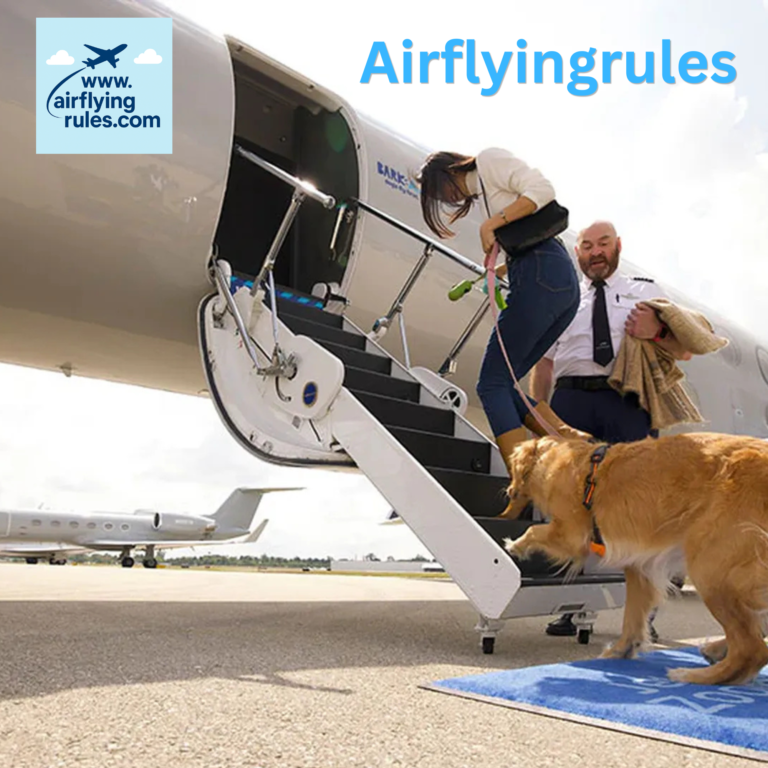
    The particular airline’s policy on traveling with your pets, since they may be different from destination to destination.Airlines permitting small animal transport have arrangements for larger pets that are safely tucked away in the cargo hold with regulated temperatures. Make sure that you do look into The trip with your loved companion could be amazing if you already understand everything about airline regulations as you’re travelling. Every airline has specific policies designed to protect both animals and passengers, so preparing in advance is essential. 

    In 2026, airlines will continue to follow strict international animal transportation standards. Following these guidelines ensures your pet travels safely while meeting the latest aviation and veterinary requirements.

    Understanding Pet Flight Rules Before Booking Before purchasing your ticket, confirm that your chosen airline allows pet transportation on your selected route. Many airlines have seasonal restrictions due to weather conditions, aircraft type, or destination regulations.

    Some airlines allow small pets to travel inside the cabin, while larger animals are transported safely in a climate-controlled cargo compartment. Always review the airline’s latest pet policy because requirements can vary depending on the destination country.

    Traveling with pets in flight rules

    Cabin or Cargo: Where Will Your Pet Travel?

    Larger animals generally travel in the aircraft’s specially designed cargo area. Modern aircraft cargo holds are designed specifically for live animal transportation and comply with international aviation standards. Health Requirements for Flying with Pets Health documentation is one of the most important parts of international pet travel. Most countries require an official veterinary health certificate issued shortly before departure. Airlines may also request vaccination records and identification details. For international travel, your pet must be vaccinated against rabies according to the destination country’s regulations.It is always recommended to check your route is approved for pet travel before making any travel plans Some countries also require a waiting period after vaccination, blood tests, or additional import permits.

    For many international journeys, your pet will travel in the hold of our aircraft, where temperature and ventilation are carefully controlled to ensure animal safety

    Your pet should be healthy, comfortable inside its travel carrier, and able to remain calm during the journey. Airlines may refuse transportation if an animal appears sick, injured, or unable to travel safely. 

    Eligible Pets for Air Travel

    Most commercial airlines primarily transport domestic cats and dogs only under their standard pet travel program. Exotic animals, reptiles, birds, and other species often require special approval or may not be accepted on passenger flights. Your pet should be healthy, comfortable inside its travel carrier, and able to remain calm during the journey. Airlines may refuse transportation if an animal appears sick, injured, or unable to travel safely. Flying with a pet requires careful planning, but following the correct procedures makes the experience much easier. Review your airline’s latest pet policy, prepare all required documents, and ensure your pet meets every travel requirement before departure. By understanding today’s travelling with pet flight rules, you can enjoy a safer, smoother, and more comfortable journey with your furry companion.

    Airline Pet Carrier Size Guidance

    Airline Pet Carrier Size Guidance

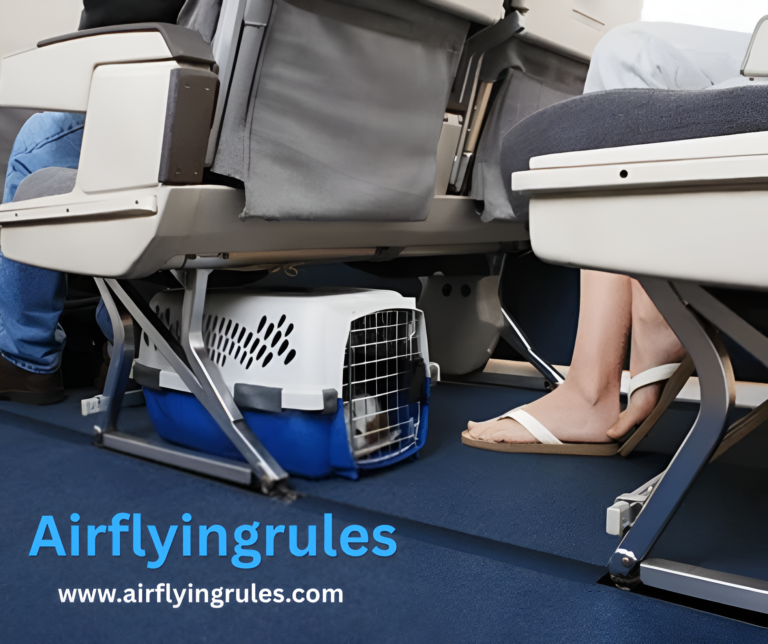
    Pick an airline-approved pet carrier that fits under the seat, giving your pet enough room to stand up, turn around and lie down comfortably. Always check with your airline to see what their size requirements are for pet carriers that don’t have the same size pet carrier. Each airline has its own under seat dimensions and pet policies for travel. Many airlines will accept soft sided carriers but the maximum size may differ by airline and aircraft type.

  • Airport Wheelchair Assistance policy 2026

    Airport Wheelchair Assistance: A Complete Guide to Hassle-Free Air Travel

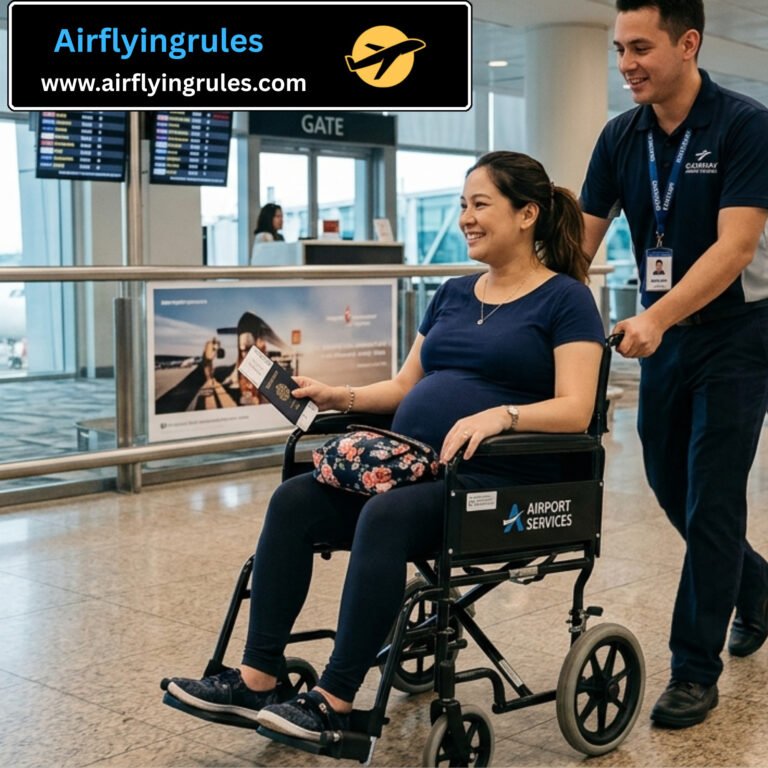
    For senior citizens, people with injuries, pregnant travelers, and passengers with reduced mobility, Airport Wheelchair Assistance makes the airport journey much easier.Traveling by air should be comfortable and accessible for everyone.Most airlines and airports offer this service to help passengers move through check-in, security, boarding, and baggage claim without unnecessary stress. If you or someone traveling with you needs support, understanding how wheelchair assistance works can help you enjoy a smoother travel experience.

    Airport Wheelchair Assistance

    What Is Airport Wheelchair Assistance?

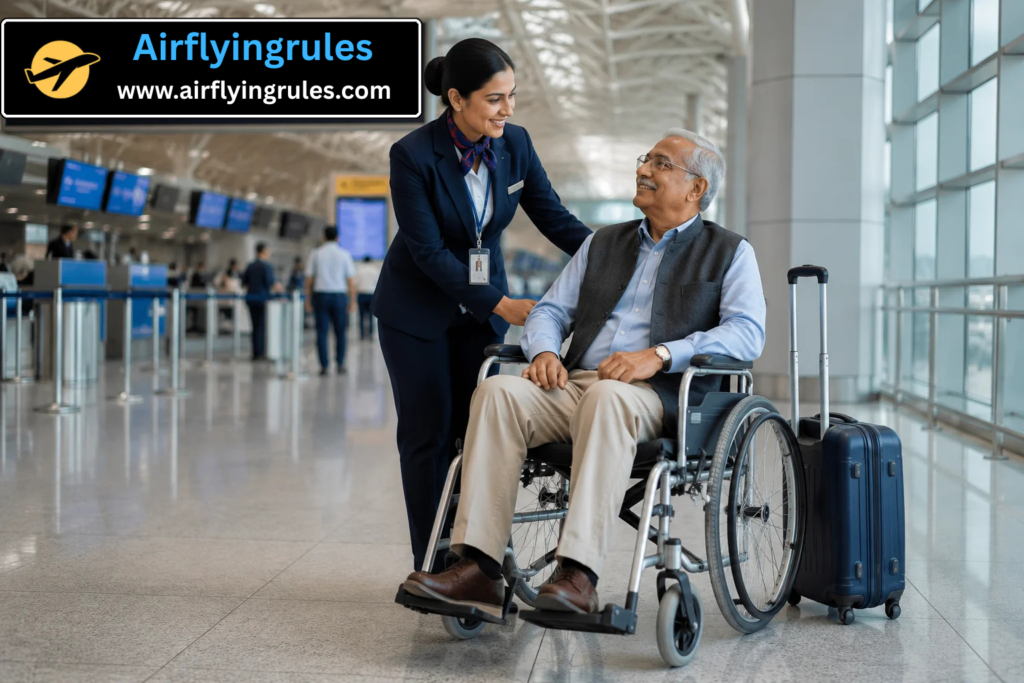
    Airport Wheelchair Assistance is a service provided by airlines and airports for passengers who need help moving through the airport. Trained staff assist travelers from check-in to the boarding gate and, after landing, help them reach baggage claim or the airport exit.

    This service is especially useful for:

    • Senior citizens
    • Passengers with temporary injuries
    • Travelers with permanent disabilities
    • Pregnant women who require additional support
    • People with limited mobility

    Many airports also provide Mobility assistance at the airport to make traveling safer and more convenient.

    Who Can Request Wheelchair Assistance?

    Anyone who has difficulty walking long distances inside an airport can request this service. You do not always need to use a personal wheelchair to qualify. Airlines are required to provide assistance to passengers with a disability according to accessibility regulations in many countries. Some airlines also extend this support to passengers with temporary medical conditions or age-related mobility concerns. If you are unsure whether you qualify, contact your airline before your travel date.

    How to Request Airport Wheelchair Assistance

    Booking wheelchair assistance is a simple process. Most airlines allow passengers to add this service while booking their flight or afterward through customer support. To avoid any last-minute issues, it is recommended to Book a wheelchair at least 48 hours prior to departure. This gives the airline enough time to arrange the necessary support. 

    You can usually:

    • Add wheelchair assistance during flight booking.
    • Contact the airline’s customer support.
    • Request assistance through the airline’s website.
    • Ask your travel agent to include the service.

    Many travelers also request wheelchair assistance in My Trip by logging into their airline booking and updating their reservation.

    Why Booking Early Is Important

    Although some airports can arrange wheelchair assistance on the day of travel, availability may be limited during busy travel seasons. For a smoother experience, always Book a wheelchair at least 48 hours prior to departure whenever possible.

    Early booking helps ensure:

    • Faster airport assistance
    • Less waiting time
    • Better coordination between airport staff and the airline
    • A more comfortable travel experience

    Planning ahead reduces stress and allows airport staff to prepare for your arrival.

    What Happens at the Airport?

    Once you arrive at the airport, staff members will meet you at the designated assistance point or check-in counter. They will guide you through each step of your journey.

    The assistance usually includes:

    • Help with check-in
    • Support through security screening
    • Transportation to the boarding gate
    • Boarding assistance
    • Help after landing
    • Assistance to baggage claim or the airport exit

    This Special Disability Assistant service is designed to make air travel easier and safer for passengers who need additional support.

    Choosing a Reliable Wheelchair Assistance Service

    While airlines provide wheelchair support, some travelers also choose third-party airport assistance companies for extra convenience.

    A reliable wheelchair assistance service offers:

    • Professional and trained staff
    • Timely assistance
    • Personalized support
    • Better coordination during connections
    • Comfortable airport navigation

    Before booking, always verify the service provider’s reviews and confirm availability for your airport.

    How to Request Special Disability Assistance

    If you require additional support beyond wheelchair services, many airlines offer Special Disability Assistance | Request Support … options through their official websites.Passengers can Request an airport wheelchair along with services such as:

    • Priority boarding
    • Assistance for visually impaired passengers
    • Hearing assistance
    • Help during flight connections
    • Support for medical equipment

    Always inform your airline about your requirements before traveling so they can prepare the appropriate assistance.